By Mark Smith 01/09/2026
Under: PPE and Workwear / Health and Safety NewsEN 397:2025 Explained: What the New Safety Helmet Standard Means for UK Construction
The new EN 397:2025 safety helmet standard is here. What does it mean for construction sites? If you have recently seen references to EN 397:2025, Type 1 helmets, and Type 2 helmets, you’re not alone. The latest update to the European standard for industrial safety helmets has brought significant changes to head protection in years.
The good news is that this update doesn’t complicate things. It aims to help employers choose the right level of protection for the risks workers face today. In this guide, we will explain the changes in simple terms, answer the most common questions, and help you understand what the new standard means for your business.
What Is EN 397?
EN 397 is the name is the European standard for protective helmets in industries.
This standard ensures that the helmets are tested and efficiently protect workers against the most common hazards in the workplace (falling objects and impact on the top of the head).
For many years construction companies in the UK used helmets certified according to EN 397:2012.
In 2025, the standard was revised to better correspond to modern construction working methods.
Why has the Safety Helmet Standard Changed?
Construction sites today are very different to those of 20 years ago.
Workers are increasingly operating at height, using powered access equipment, navigating complex structures and moving around busy sites where impacts can come from more than just above.
While protection from falling objects remains essential, today's workers can also suffer impacts on the side, front or the back of their head.
The revised standard EN 397:2025 recognizes the change in risks. Instead of having one general standard, helmets are now divided into two groups depending on the amount of protection they provide.
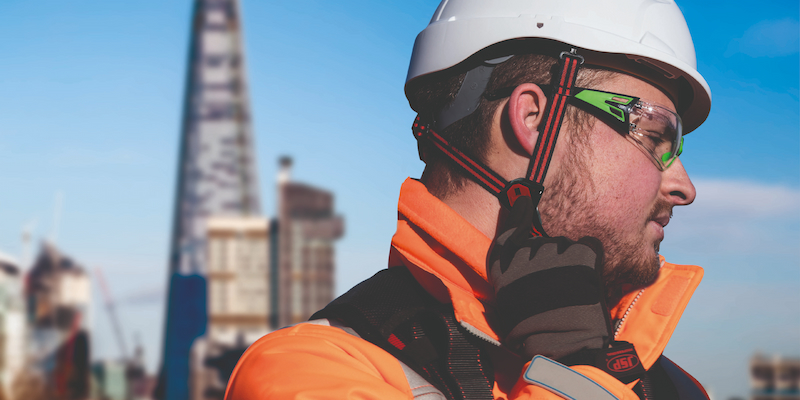
The Biggest Change: Type 1 vs Type 2 Safety Helmets
The most significant updates is the introduction of two helmet classifications.
Rather than every helmet being tested in the same way, helmets are now categorised according to the protection they provide.
Type 1 Safety Helmets
Type 1 helmets are designed to protect against impacts to the top of the head.
This is the type of protection most people associate with traditional construction helmets and is suitable for many workplaces where the primary hazard is falling objects.
Typical applications include:
- General construction
- Warehousing
- Manufacturing
- Civil engineering
- Industrial maintenance
Type 2 Safety Helmets
Type 2 helmets provide additional protection against impacts to the:
- Front
- Rear
- Sides
- Top
This makes them suitable for environments where workers may collide with structures, strike fixed objects or experience impacts from multiple directions.
Examples include:
- Working at height
- Steel erection
- Scaffolding
- MEWP operations
- Complex construction projects
- Utility and infrastructure work
Which Safety Helmet Is Best?
Neither Type 1 or Type 2 helmets are automatically "better." The right safety helmet depends entirely on your workplace hazards.
Employers must choose appropriate head protection following a suitable risk assessment. They must ensure the helmet provides the level of protection required for the tasks being carried out.
Choosing the highest specification helmet doesn't automatically make your workforce safer. The best helmet is one that matches the actual risks on site, fits correctly and is worn properly every day.
What Has Changed With Chin Straps?
Another important change relates to chin straps.
Under the previous version of EN 397, chin straps were available on many helmets but were not always required.
Under EN 397:2025:
- Type 1 helmets may be supplied with or without a chin strap.
- Type 2 helmets are designed to include a chin strap that helps keep the helmet securely in place during more demanding work activities.
This helps reduce the risk of a helmet falling off when a worker slips, falls or experiences an impact from the side.
Do You Need to Replace Your Existing EN 397 Helmets?
No, not immediately. If your existing helmets are certified to EN 397:2012 and remain within their certification and service life, they can continue to be used provided they:
- Remain within the manufacturer's recommended lifespan
- Are in good condition
- Continue to meet your workplace risk assessment
Manufacturers can also continue supplying existing certified helmets until their approvals expire.
When it's time to replace your helmets, it's worth reviewing your site risks and considering whether a Type 1 or Type 2 helmet is the most appropriate choice.
Five Questions to Ask Before Buying New Safety Helmets
Before choosing your next helmet, ask yourself:
1. What hazards exist on site?
Are workers mainly at risk from falling objects, or could they also experience side impacts?
2. Does anyone work at height?
Workers using scaffolding, towers or access equipment may benefit from additional protection.
3. Is there a risk of helmets becoming dislodged?
If so, consider helmets with integrated chin straps.
4. Will the helmet be worn with other PPE?
Check compatibility with:
- Ear defenders
- Safety eyewear
- Face shields
- Communication systems
5. Has your risk assessment been reviewed recently?
As projects evolve, so do workplace hazards. Regularly reviewing your PPE requirements helps ensure workers remain properly protected.
Frequently Asked Questions
What is EN 397:2025?
EN 397:2025 is the latest European standard for industrial protective helmets. It introduces two helmet classifications, Type 1 and Type 2, to better match different workplace hazards.
Is EN 397 mandatory in the UK?
While legislation requires employers to provide suitable PPE, using helmets that comply with recognised standards such as EN 397 helps demonstrate that appropriate head protection has been selected.
What is the difference between Type 1 and Type 2 safety helmets?
Type 1 helmets protect against impacts to the top of the head, while Type 2 helmets are designed to provide additional protection against impacts to the front, rear and sides.
Do I need to replace my current safety helmets?
Not immediately. Existing EN 397:2012 helmets can continue to be used while they remain within their service life and are suitable for your workplace risks.
Are hard hats and safety helmets the same thing?
Yes. In the construction industry, the terms hard hat and safety helmet are often used interchangeably, although "safety helmet" is the preferred term used within current standards.
Choosing the Right Safety Helmet
Selecting the right head protection is about more than meeting a standard, it's about protecting people.
If you are managing a big construction site, supervising an industrial establishment, or responsible for contractors, reviewing your head protection against the new EN 397:2025 standard is an excellent opportunity to ensure your workforce has PPE that's fit for today's working environments.
If you're unsure which helmet is right for your site, our team can help you choose compliant, high-quality head protection based on your specific workplace risks.
Need advice on choosing the right safety helmet? Contact our PPE specialists today for expert guidance and product recommendations tailored to your site.
 Signage
  Publications
  Site Equipment
  Janitorial
  Welfare
  Traffic Management
  Temporary Protection
  Footwear
  Gloves
  Clothing
  Head Protection
  First Aid
  Fire
Fire  Spill
Spill  Height Safety
  Covid-19 Products
  Clearance