By Mark Smith 01/05/2026
Under: Health and Safety NewsSun Safety for Construction Workers: Staying Safe in Hot Weather on Site
With UK summers becoming hotter and more unpredictable, sun safety is now a key part of everyday construction site management. Outdoor workers face ongoing sun exposure risks, from dehydration and fatigue through to long-term skin damage caused by UV radiation.
During Sun Awareness Week 2026, it’s the perfect time for site managers and health and safety managers to review safety procedures and strengthen UV protection, skin cancer prevention, and heat management on site.
Why Sun Safety Matters in Construction
Working outdoors for long hours increases exposure to ultraviolet (UV) radiation and heat. Without proper controls, this can lead to both short-term illness and long-term health conditions. Common risks include:
- Heat exhaustion and heatstroke
- Dehydration and reduced concentration
- Increased accident risk due to fatigue
- Long-term skin damage and a higher risk of skin cancer
Employers have a legal duty under the Health and Safety at Work Act 1974 to protect workers from foreseeable risks, including those caused by hot weather and sun exposure. This duty was extended in April 2022 under the Personal Protective Equipment (Amendment) Regulations, which now include providing PPE to workers with more casual or contract-based employment.
Sun Awareness Week: A Reminder to Act
Sun Awareness Week 2026 takes place between 11th May and 17th May. It raises awareness of the dangers of UV exposure and encourages safer behaviour outdoors.
For construction teams, it’s an opportunity to reinforce:
- UV protection measures on site
- Access to SPF sunscreen
- Training on sun exposure risks and early warning signs
- Safe working practices during hot weather
How to Protect Skin from the Sun on Site
Effective skin cancer prevention on construction sites is simple, but it must be consistent. Key steps include:
- Plan physically demanding work outside of peak UV periods (UV is usually strongest between 11 am–3 pm, March to October in the UK).
- Provide shaded or covered rest areas for frequent cooling breaks.
- Supply UV-protective PPE, including wide-brimmed hats, UV-rated sunglasses, and breathable, long-sleeved workwear.
- Ensure SPF sunscreen (SPF 30 or higher) is freely available.
- Encourage workers to cover exposed skin where possible
These actions significantly reduce sun exposure risks and support long-term worker health.
How Often to Reapply Sunscreen
Correct sunscreen use is essential for effective UV protection. Workers should:
- Apply sunscreen before starting work outdoors
- Reapply at least every 2 hours
- Reapply sooner if sweating heavily or after wiping skin
Making sunscreen easily accessible across site locations helps ensure consistent protection throughout the day. To make skin protection effortless, we’ve introduced the Enfield Safety Sunscreen Station - an easy-access solution for regular sun cream application throughout the day. We also offer bulk sun cream supplies and individual SPF 30 bottles perfect for personal toolkits or van storage.
Recognising Heat and Sun-Related Illness
Early identification of symptoms can prevent serious harm.
Heat Exhaustion
Signs include:
- Headache
- Dizziness or weakness
- Nausea
- Excessive sweating
- Rapid heartbeat
Action: Move the person to shade, provide water, and rest. If symptoms do not improve, seek medical attention.
Heatstroke (Medical Emergency)
Signs include:
- Confusion or lack of coordination
- Hot skin (may be dry or sweaty)
- High body temperature
- Loss of consciousness
Action: Call emergency services immediately, move the person to shade, and begin cooling with water or cold compresses.
Sunburn Treatment
If sunburn occurs:
- Move out of direct sunlight
- Cool skin with damp cloths or cool water
- Drink fluids to rehydrate
- Avoid further sun exposure until healed
Severe blistering or widespread burns should be medically assessed.
Signs of Skin Cancer to Look Out For
Raising awareness of the signs of skin cancer supports early detection and treatment. Watch for:
- New or changing moles
- Moles with uneven shape or colour
- Growths that increase in size
- Bleeding, itching, or crusting spots
Promoting melanoma awareness on-site encourages workers to report concerns early and seek medical advice.
Sun Safety PPE for Construction Teams
The right PPE plays a major role in UV protection and comfort on hot days:
- Lightweight, breathable high-visibility clothing
- UV-protective safety glasses
- Wide-brim or neck-protective headwear
- Moisture-wicking fabrics to reduce overheating
One of our bestsellers is the Hi-Vis Polo Shirt, ideal for visibility and ventilation in high-heat environments due to its wicking capabilities. Don’t forget eye protection - our Uvex Pheos Safety Spectacles provide both comfort and full UV protection.
Combining protective clothing with sunscreen provides the best defence against sun damage.
Shop our comprehensive range of workwear.
Hydration and Working in Hot Weather
Dehydration increases the risk of heat-related illness and reduces performance.
Best practice includes:
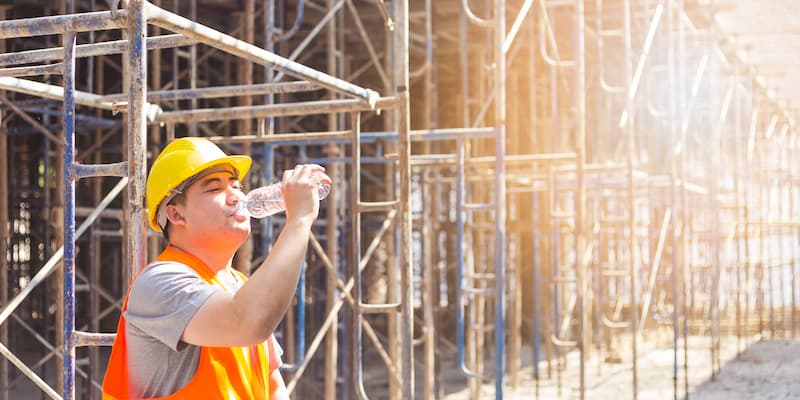
- Access to free drinking water regularly throughout the day (ideally every 15-20 minutes).
- Taking frequent breaks in shaded areas.
- Avoiding excessive caffeine during hot conditions.
Providing easily accessible water stations helps workers stay hydrated and safe. Position the cool water stations in convenient locations across your site, or purchase bottled spring water in 500ml sizes for personal hydration.
Building a Safer Summer Site
Hot weather doesn’t need to slow down productivity. With the right planning, PPE, and awareness, construction teams can stay safe while maintaining performance.
Prioritising sun safety, improving UV protection, and supporting skin cancer prevention through simple daily habits helps protect workers now and in the future.
By taking action during Sun Awareness Week, employers can make lasting improvements to site safety that go far beyond the summer months.
 Signage
  Publications
  Site Equipment
  Janitorial
  Welfare
  Traffic Management
  Temporary Protection
  Footwear
  Gloves
  Clothing
  Head Protection
  First Aid
  Fire
Fire  Spill
Spill  Height Safety
  Covid-19 Products
  Clearance