
By Mark Smith 01/04/2026
Under: News and Events / Health and Safety NewsStress Awareness Month 2026: How to Improve Employee Well-Being and Workplace Safety
Stress Awareness Month 2026 takes place this April and is an important reminder for businesses to prioritise employee wellbeing, workplace safety, and mental health.
In today’s fast-paced workplaces, stress affects employees across every industry, from offices to construction sites. While some pressure can boost productivity, ongoing workplace stress can lead to serious mental and physical health problems.
According to the Mental Health Foundation, the Burnout Report 2026 shows that burnout risk remains persistently high. Nine in ten adults (91%) have experienced high or extreme levels of pressure and stress in the past year.
For employers, this means managing stress isn’t just about wellbeing; it’s also about improving workplace safety, productivity, and staff retention.
For high-risk environments such as construction sites, warehouses, and industrial workplaces, stress can also increase the likelihood of accidents and injuries. That’s why combining mental health support with strong health and safety practices is essential.
What is Stress Awareness Month?
Stress Awareness Month is a national campaign held every April to raise awareness about the causes of stress and how to manage it effectively.
First launched in 1992, the campaign encourages individuals and organisations to:
- Recognise the signs of stress
- Talk openly about mental health
- Improve workplace wellbeing
- Promote healthier coping strategies
For employers, it’s also the perfect time to review workplace health and safety policies, risk assessments, and employee wellbeing initiatives.
Industries that often involve tight deadlines, physical hazards, and long hours have been known to increase employee stress levels if not managed properly.
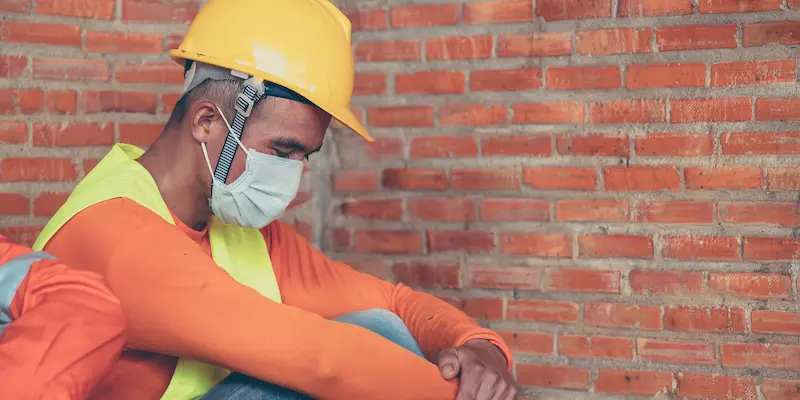
Common Signs and Symptoms of Workplace Stress
Recognising the signs of stress at work can help prevent serious mental and physical health problems, as well as reduce workplace accidents. According to the NHS, common symptoms include:
Physical Symptoms of Stress
- Headaches or dizziness
- Muscle tension and body aches
- Stomach issues
- Chest pain or rapid heartbeat
- Fatigue and sleep disturbances
Mental Symptoms of Stress
Stress can also affect concentration, mood, and decision-making, including:
- Difficulty focusing
- Feeling overwhelmed or anxious
- Irritability or frustration
- Forgetfulness
- Constant worrying
In safety-critical workplaces, these symptoms can increase the risk of errors, injuries, and near misses. That’s why stress management should be part of every workplace safety strategy.
How to Support Employees during Stress Awareness Month 2026
Businesses can use Stress Awareness Month as an opportunity to introduce practical workplace wellbeing initiatives. Here are some effective ways employers can support their teams.
Improve Workplace Safety to Reduce Stress
Unsafe environments can significantly increase stress levels, particularly in construction, industrial, and warehouse settings.
Employers should ensure workplaces are equipped with the correct safety equipment and clear hazard communication. Key steps include:
- Conducting regular risk assessments and safety checks
- Providing appropriate personal protective equipment (PPE) such as helmets, gloves, ear protection, respiratory protection, and high-visibility clothing
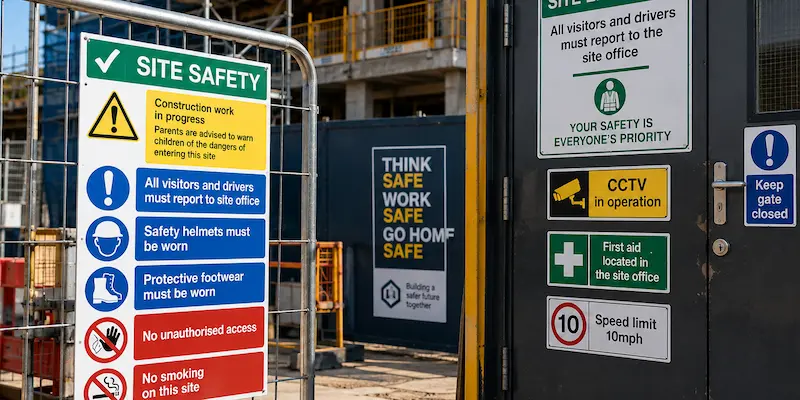
- Installing clear health and safety signage to highlight hazards and emergency procedures
- Ensuring workers understand safety protocols and emergency procedures
A safe environment helps employees feel more confident, protected, and less stressed at work.
Promote Workplace Mental Health Initiatives
Supporting mental health is just as important as protecting physical safety.
Employers can introduce simple initiatives such as:
- Mental health first aid training for supervisors and team leaders
- Designate quiet or break spaces for employees to recharge
- Stress management workshops or training sessions
- Encouraging exercise, stretching, or mindfulness breaks
These initiatives help create a healthier workplace culture and reduce burnout.
Encourage Open Conversations about Stress
Many employees struggle silently with stress because they feel uncomfortable discussing it. Creating an open and supportive workplace culture can make a big difference.
- Provide anonymous feedback channels to empower employees to voice concerns.
- Train managers to recognise signs of stress and burnout.
- Share information on mental health support services, such as Mind and the NHS Mental Health Hub.
- Display clear mental health first aid signage so employees know who to speak to if they need help.
Knowing where to go for support can help employees feel safer, supported, and valued.
Why Stress Awareness Matters for Workplace Safety
Stress can directly affect how employees perform at work.
When workers are overwhelmed or exhausted, they are more likely to:
- Lose focus
- Make mistakes
- Ignore safety procedures
- Experience accidents or injuries
By reducing workplace stress, businesses can:
- Improve employee wellbeing
- Reduce workplace accidents
- Increase productivity
- Improve staff retention
- Build a positive workplace culture
Investing in both mental health and workplace safety helps create an environment where employees feel supported and motivated.
Supporting Safer Workplaces
At Enfield Safety Supplies, we help businesses create safer and healthier workplaces.
We supply a wide range of essential workplace safety products, including:
- Personal Protective Equipment
- Safety signage
- Protective workwear
- Work boots and safety footwear
- Protective work gloves
- Break room products
Clear signage and accessible mental health first aid contacts can empower employees to seek support when they need it most.
By improving both physical safety and mental well-being, organisations can create stronger, more resilient teams.
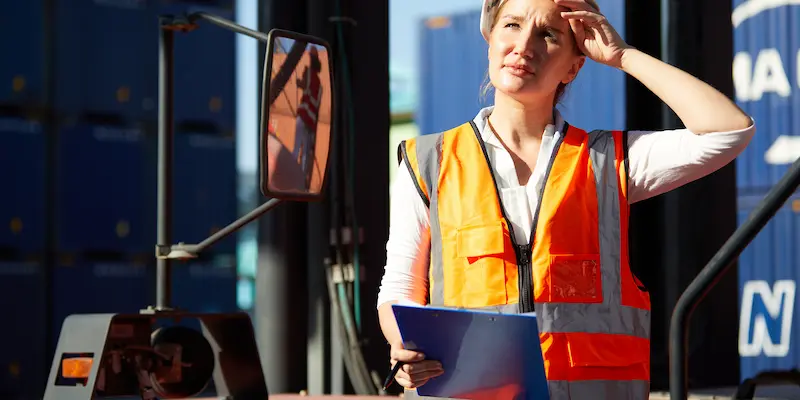
Take Action This Stress Awareness Month
April is the perfect time to review your workplace safety and employee well-being strategies for the year.
Small changes, such as improving safety equipment or encouraging open conversations about stress, can make a big difference.
If you’re looking to improve workplace safety, read more about our range of:
- PPE for construction
- Work boots and safety boots
- Protective work gloves
- Head protection or hard hats
- Eye protection
- High vis workwear
Together, we can help build safer, healthier, and less stressful workplaces.

 Signage
  Publications
  Site Equipment
  Janitorial
  Welfare
  Traffic Management
  Temporary Protection
  Footwear
  Gloves
  Clothing
  Head Protection
  First Aid
  Fire
Fire  Spill
Spill  Height Safety
  Covid-19 Products
  Clearance